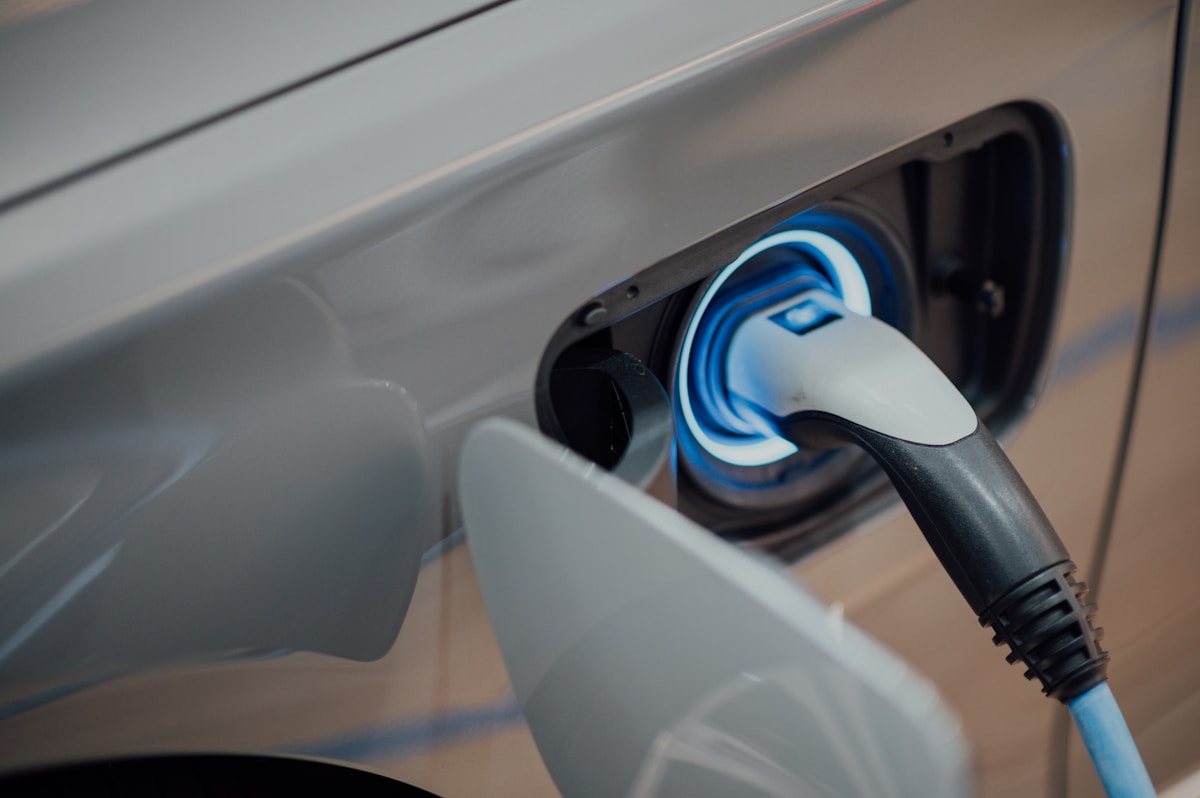
The streets of Toronto, Montreal, and Vancouver tell a changing story. Silent electric delivery vehicles glide where diesel trucks once rumbled. This isn't distant future—it's happening now. Canadian urban delivery stands at an electrification tipping point that promises cleaner air, quieter neighbourhoods, and surprisingly, better economics.
Yet misconceptions persist. Range anxiety. Charging challenges. Winter performance. Let's separate myth from reality and explore how electric vehicles (EVs) transform urban delivery today.
Current State of EV Adoption in Canadian Delivery
Canada's delivery electrification accelerates rapidly. Major players lead the charge—Canada Post operates 1,000+ electric vehicles. Purolator commits to 60% electric fleet by 2030. FedEx deploys electric trucks across major cities. Small businesses increasingly follow suit.
Market Momentum
Numbers tell the story:
- EV delivery vehicle sales increased 340% year-over-year
- Operating costs dropped 70% versus diesel equivalents
- Government incentives cover up to 50% of price premiums
- Charging infrastructure expanded 250% in two years
This momentum reflects converging factors: improving technology, supportive policies, and changing consumer expectations.
Regional Leadership
British Columbia leads with aggressive incentives and charging infrastructure. Vancouver's zero-emission zones push rapid adoption. Mountain terrain once challenging EVs now showcases regenerative braking benefits.
Quebec leverages clean hydroelectric power for maximum environmental impact. Montreal's dense urban core proves ideal for electric delivery. Provincial rebates make EVs cost-competitive immediately.
Ontario combines manufacturing capability with urban density. Toronto's congestion charges favour zero-emission vehicles. The province's automotive expertise accelerates innovation.
Benefits Beyond Emissions Reduction
While environmental benefits drive headlines, operational advantages surprise fleet managers:
Dramatic Cost Savings
Electric delivery vehicles slash operating expenses:
- Fuel costs: 80% reduction—electricity costs $0.15/kWh versus $1.50/litre diesel
- Maintenance: 60% fewer moving parts mean less breakdowns
- Brake life: Regenerative braking extends pad life 3-4x
- Oil changes: Eliminated entirely saving time and money
A medium-duty electric truck saves $15,000-$20,000 annually in operating costs.
Performance Advantages
EVs excel in urban delivery applications:
- Instant torque: Better acceleration from stops
- Quiet operation: Enables extended delivery hours
- Smooth ride: Reduces driver fatigue and cargo damage
- No idle emissions: Healthier for drivers during stops
Drivers consistently prefer electric vehicles after experiencing the difference.
Brand and Community Benefits
Electric fleets generate positive impacts beyond economics:
- Enhanced brand perception among eco-conscious consumers
- Access to restricted urban zones
- Preferred vendor status with sustainability-focused clients
- Improved driver recruitment and retention
- Positive community relations in residential areas
Infrastructure Requirements and Challenges
Successful electrification requires infrastructure planning:
Depot Charging Strategy
Most delivery vehicles return nightly, making depot charging ideal:
- Level 2 charging: Sufficient for overnight charging
- Load management systems: Prevent electrical overload
- Solar integration: Reduces electricity costs further
- Battery storage: Enables peak shaving
Initial infrastructure investment typically returns within 2-3 years through operational savings.
Route Charging Considerations
Longer routes may require midday charging:
- Strategic partnerships with shopping centres
- Public DC fast chargers for emergency use
- Customer location charging agreements
- Mobile charging solutions for flexibility
Careful planning eliminates range anxiety while maintaining operational efficiency.
Grid Capacity Planning
Large fleet conversions require utility coordination:
- Electrical service upgrades may be necessary
- Time-of-use rates favour overnight charging
- Demand response programs offer incentives
- Future-proofing for fleet expansion
Early utility engagement prevents costly surprises and identifies incentive opportunities.
Cost Analysis: EVs vs. Traditional Vehicles
Total cost of ownership (TCO) increasingly favours electric:
Purchase Price Comparison
Initial costs remain higher but gap narrows:
- Light-duty van: $65,000 EV vs $45,000 diesel
- Federal incentive: -$5,000
- Provincial incentive: -$3,000 to -$8,000
- Utility rebates: -$2,000 to -$5,000
- Net premium: $5,000 to $12,000
Operating Cost Analysis
Annual savings compound quickly:
| Cost Category | Diesel | Electric | Savings |
|---|---|---|---|
| Fuel/Energy | $12,000 | $2,400 | $9,600 |
| Maintenance | $4,500 | $1,800 | $2,700 |
| Other | $1,500 | $500 | $1,000 |
| Total Annual | $18,000 | $4,700 | $13,300 |
Payback typically occurs within 12-18 months of operation.
Lifetime Value Calculation
Over typical 7-year fleet life:
- Total savings: $93,100 per vehicle
- Reduced carbon emissions: 140 tonnes CO2
- Maintenance downtime: 50% reduction
- Residual value: Higher for EVs
Financial case becomes overwhelming when environmental benefits add brand value.
Government Incentives and Support
Multiple programs accelerate adoption:
Federal Programs
iMHZEV Program: Up to $5,000 for eligible vehicles. Covers wide range of delivery-suitable models. Simple application process through dealers.
Strategic Innovation Fund: Supports charging infrastructure deployment. Available for fleets over 10 vehicles. Covers up to 50% of project costs.
Provincial Incentives
British Columbia: Additional $3,000 vehicle rebate. Charging infrastructure support. Fleet advisory services.
Quebec: Up to $8,000 vehicle incentive. Workplace charging programs. Green plate advantages.
Ontario: Infrastructure focused programs. Green licence plates with HOV access. Municipal partnership opportunities.
Municipal Support
Cities actively encourage electrification:
- Preferred loading zone access
- Reduced parking fees
- Extended delivery hours permits
- Procurement preferences
Driver Perspectives on EV Delivery
Driver acceptance proves crucial for successful transitions:
Initial Skepticism
Common concerns include:
- Range anxiety despite adequate capacity
- Charging complexity fears
- Winter performance worries
- Technology learning curves
Proper training and gradual introduction overcome resistance.
Conversion Experience
After experience, drivers become EV advocates:
"The silence amazes me. No more diesel fumes. No vibration. I arrive home less tired," shares Marcus, Toronto delivery driver.
"Acceleration helps in city traffic. Regenerative braking feels natural now. I don't want to go back," adds Sophie from Montreal.
Operational Benefits
Drivers appreciate:
- Quieter, more comfortable cabins
- No diesel smell on clothes
- Smoother acceleration and braking
- Reduced fatigue from noise and vibration
- Pride in environmental contribution
Roadmap to an Electric Fleet
Successful electrification follows proven pathways:
Phase 1: Assessment (Months 1-2)
- Analyze current routes and duty cycles
- Identify ideal vehicles for initial conversion
- Evaluate infrastructure requirements
- Calculate business case and ROI
- Research available incentives
Phase 2: Pilot Program (Months 3-8)
- Start with 2-3 vehicles on suitable routes
- Install basic charging infrastructure
- Train selected drivers thoroughly
- Monitor performance closely
- Gather feedback continuously
Phase 3: Expansion (Months 9-18)
- Scale based on pilot success
- Expand charging infrastructure
- Train additional drivers
- Optimize operations
- Share success stories
Phase 4: Full Deployment (Year 2+)
- Systematic fleet replacement
- Advanced infrastructure deployment
- Integration with renewable energy
- Continuous optimization
- Industry leadership positioning
Electric vehicles represent urban delivery's inevitable future. Early adopters gain competitive advantages through lower costs, better performance, and superior brand positioning. The technology exists, economics work, and support programs abound.
Canadian cities need cleaner, quieter delivery solutions. Customers demand environmental responsibility. Drivers deserve healthier working conditions. Electric vehicles deliver all three while improving bottom lines.
The question isn't whether to electrify but how quickly you can capture these benefits. Every diesel delivery represents missed savings and unnecessary emissions. The sustainable future of urban delivery is electric—and it's arriving now.